The ROI of AI Employees: Real Numbers from Real Businesses

When business owners consider AI employees, the first question is always the same: “Is it worth it?” It's a fair question. Every dollar matters when you're running a business, and the last thing you need is another expense that doesn't deliver results.
So let's talk numbers. Based on data from businesses we've worked with, here are real outcomes. By the end of this article, you'll know exactly what AI employees cost, what they save, and when you can expect to see a return on your investment. Spoiler: it's usually week one.
The Cost Comparison: Human vs. AI Employee
Let's compare the total cost of a full-time human receptionist versus Emily, our AI front desk specialist:
| Cost Category | Human Receptionist | Emily (AI) |
|---|---|---|
| Base salary/fee | $3,500/mo | $2,000/mo |
| Health insurance | $500/mo | $0 |
| Payroll taxes | $270/mo | $0 |
| PTO / Sick days | $350/mo (avg) | $0 |
| Training & onboarding | $200/mo (amortized) | $0 |
| After-hours service | $800/mo | $0 (included) |
| Turnover cost | $250/mo (amortized) | $0 |
| Total Monthly Cost | $5,870/mo | $2,000/mo |
That's a difference of $3,870 per month — or $46,440 per year. And this comparison assumes a single shift. The human receptionist works 8 hours; Emily works 24. To get equivalent human coverage, you'd need three full-time employees, bringing the human cost to over $15,000 per month.

Time Savings Breakdown
Based on data from businesses we've worked with, clients report an average time savings of 23 hours per week when using AI employees. Here's where that time comes from:
- Phone call handling: 8 hours/week saved
- Email management: 5 hours/week saved
- Appointment scheduling: 4 hours/week saved
- Data entry and filing: 3 hours/week saved
- Follow-up communications: 2 hours/week saved
- Report generation: 1 hour/week saved
That's 23 hours every week returned to you or your team. Over a year, it's roughly 1,200 hours — the equivalent of 30 full work weeks. What could you accomplish with an extra 30 weeks of productive time each year?
Revenue Impact: The Cost of Missed Calls
Here's where the ROI becomes truly dramatic. Most businesses don't just save money with AI employees — they make more money. The reason? Missed calls.
Industry data suggests that the vast majority of callers who can't reach a business on the first try won't call back. They'll call your competitor instead. Let's calculate what that means:
- Average small business misses: 5-10 calls per day
- Average conversion rate for answered calls: 30%
- Average customer lifetime value: $1,500
- Daily missed revenue opportunity: 5 calls × 30% × $1,500 = $2,250
- Monthly missed revenue: $2,250 × 22 business days = $49,500
Even if these numbers are half as dramatic for your business, you're still looking at $25,000/month in potential revenue walking out the door because nobody answered the phone. Emily answers every call. Every single one.
Typical Results: Med Spa Example
Here's what a typical multi-location med spa experiences when implementing Emily:
Before Emily
- Full-time receptionists plus after-hours answering service
- Multiple missed calls per day across locations
- High appointment no-show rates (20%+)
- Slow email response times (hours, not minutes)
After Emily (typical results within 90 days)
- AI handles all locations at a fraction of the staffing cost
- Existing receptionists reassigned to in-person patient experience
- Near-zero missed calls
- No-show rates cut in half with automated reminders
- Email response time drops to under a minute
- Significant revenue increase from captured appointments
Businesses we've worked with typically see substantial revenue increases combined with meaningful cost reductions — often achieving ROI within the first week.

Break-Even Analysis
When does an AI employee pay for itself? For most businesses, the answer is within the first week.
Emily costs approximately $67 per day. If she saves you just one hour of administrative work (valued at $30-50/hour for your time as a business owner) and captures just one additional customer call (average value of $450 in first transaction), she's already paid for herself 7x over on day one.
Based on businesses we've worked with, the average break-even point is within the first week. We've seen cases where a single after-hours call captured a high-value lead that paid for months of service.
The Hidden Costs of NOT Using AI
Finally, consider the costs you're already paying by not using AI employees:
- Opportunity cost: Every hour you spend on admin is an hour not spent on growth
- Burnout cost: Owner burnout is the #1 reason small businesses fail in years 2-5
- Competitive cost: Your competitors who adopt AI will serve customers faster and cheaper
- Growth ceiling: Without AI, your ability to scale is limited by your ability to hire
- Customer experience cost: Long hold times and missed calls erode your brand
The question isn't whether you can afford AI employees. The question is whether you can afford not to have them.
Calculate Your ROI
Every business is different. Let us show you exactly how much time and money AI employees can save your specific business. Free ROI analysis — no obligation.
Fill Out the Form →Related notes.
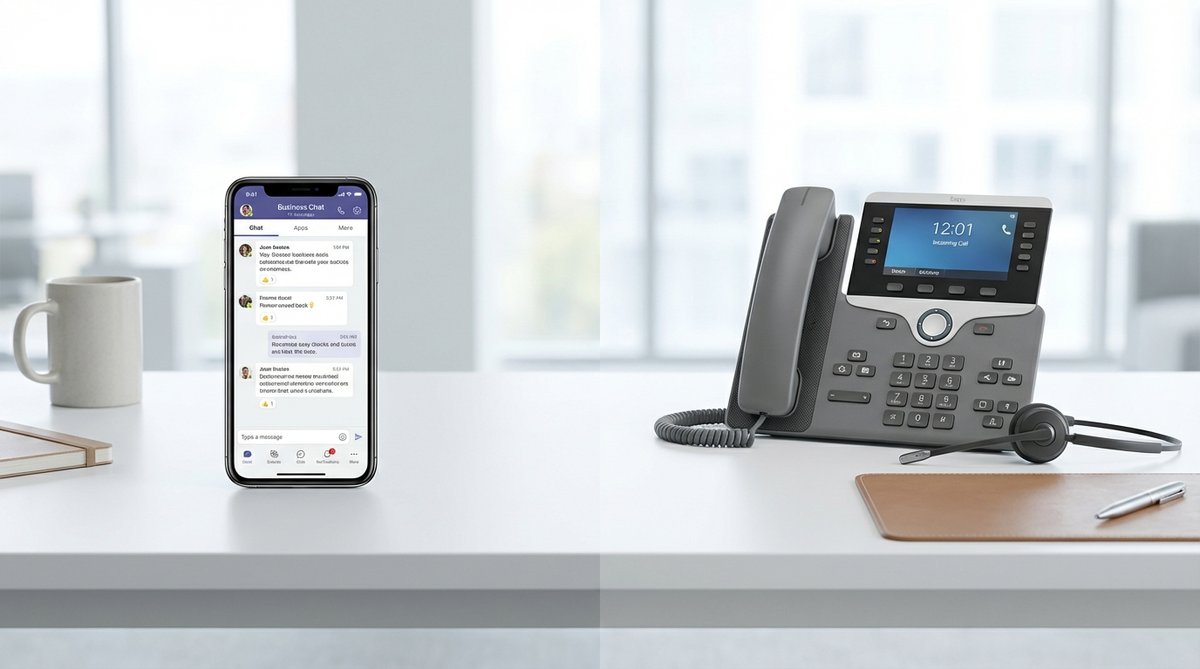
AI Answering Service vs Live Answering: 2026 Cost Comparison
A detailed comparison of AI vs traditional live answering services — cost, speed, accuracy.

AI Customer Service: Why 73% Will Switch by 2027
What's driving the shift to AI customer service and how to prepare.

How AI Employees Are Transforming Small Business Operations
Discover how autonomous AI agents handle customer support, scheduling, and data entry.