AI Intake Assistant for Small Business
An AI intake assistant for small business is a workflow that collects the right details from new calls, forms, texts, chats, and ad leads before staff spend time on the request. This guide explains when the workflow is worth building, what it should collect, and how AIEmployees would implement it without turning the article into a generic software list.
AI Intake Assistant for Small Business is strongest when it becomes a real operating workflow: fast response, useful intake, clean routing, and measurable follow-up.
Why intake is where many leads break
Most small businesses do not lose leads because the owner is bad at sales. They lose leads because intake is inconsistent. One person asks the right questions, another forgets, a web form is too thin, and a voicemail gives no context.
An AI intake assistant fixes the front of the workflow. It turns messy first contact into structured information your team can use.
What should an AI intake assistant collect?
The right fields depend on the business, but most workflows need contact details, service need, location, urgency, preferred time, budget or fit questions when appropriate, and any notes required before booking.
For a contractor, that might include photos and property type. For a clinic, it might include new or returning patient status. For legal intake, it might include case type and jurisdiction for staff review.
How is this different from a form?
A form waits for the customer to fill boxes. An intake assistant can continue the conversation across phone, SMS, chat, email, and CRM tasks. It can ask follow-up questions based on the answer it just received.
That makes intake more complete without forcing every prospect through a long static form.
Where should small businesses start?
Start with the highest-leakage channel. For many local businesses that is missed calls. For others it is paid-ad forms, website quote requests, appointment inquiries, or old leads that never received a useful follow-up.
The first workflow should be narrow enough to verify. Once it works, expand to more channels.
How AIEmployees builds intake workflows
AIEmployees documents the business rules, writes the approved questions, connects the handoff path, and defines what the AI should never decide alone. It can update CRM records, send booking steps, alert a human, or summarize the lead.
The result is not just more automation. It is cleaner information, faster response, and fewer leads stuck between channels.
Recommended implementation checklist
- Define the calls or leads the AI should handle first
- Write approved intake questions and escalation rules
- Connect phone, SMS, calendar, CRM, or lead sheet where needed
- Add a human handoff path for sensitive, urgent, or high-value cases
- Review call summaries weekly and improve the workflow from real conversations
Want this workflow built for your business?
AIEmployees can map the intake, answering, routing, and follow-up workflow around your real calls and tools.
Fill Out the Form →Related notes.

AI Call Translator for Small Business
Where live AI call translation fits: speech translation, transcripts, bilingual intake, call summaries, human handoff, and practical limits.
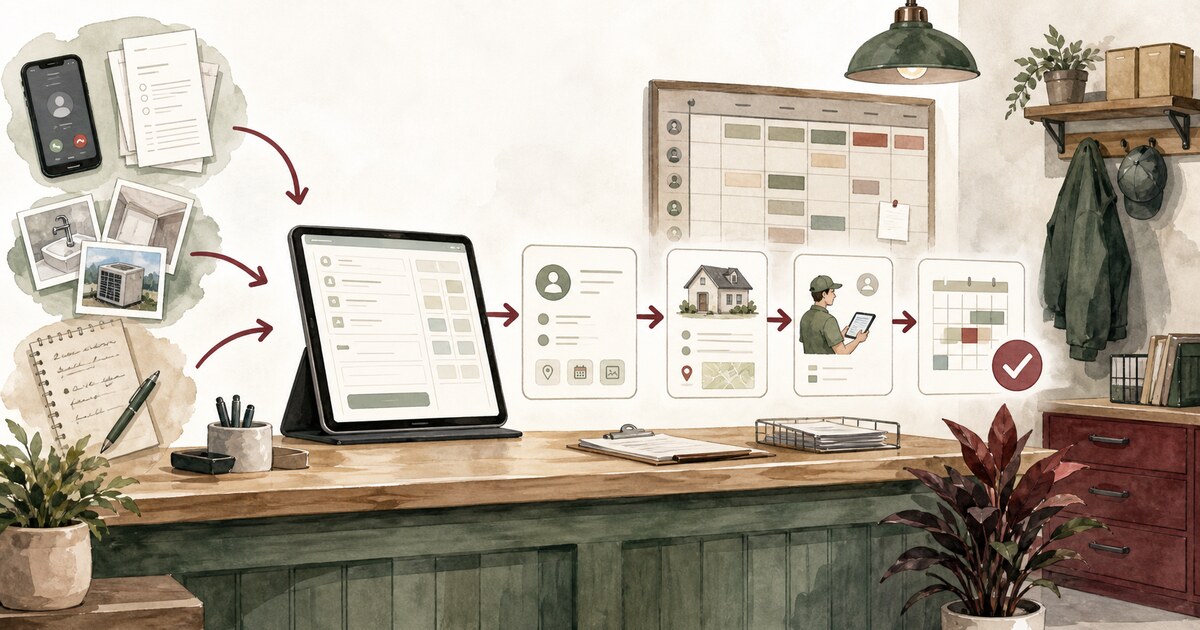
Customer Intake Automation: From First Message to Ready-to-Book
Collect the right details, route urgent requests, and make handoff cleaner for staff.

AI Lead Qualification Automation for Small Business
Qualify calls, forms, texts, and ad leads into clean next steps without forcing every prospect through the same script.