Roofing Answering Service: AI Call Coverage for Roofers
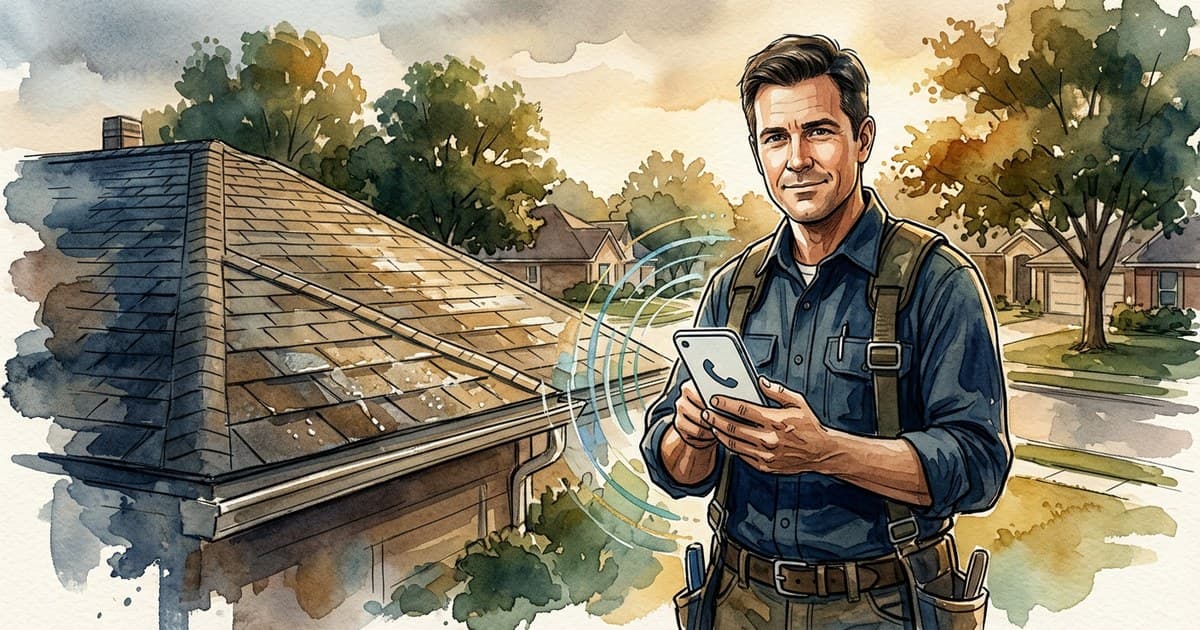
A roofing answering service should do more than take messages. Roofers need fast call coverage for storm damage, active leaks, inspection requests, estimate follow-up, and missed calls when the owner or office team is already on another job.
Roofing buyers often call several companies in minutes. The first useful response can win the inspection.
Why roofing calls are different
Roofing demand arrives in spikes. Heavy rain, hail, wind, heat, insurance deadlines, and neighborhood storm activity can create more calls than a small team can answer.
A roofing answering workflow should know the difference between an active leak, a routine replacement estimate, a warranty question, an insurance-related inspection, and a vendor call. Treating every caller like a generic message creates bad handoff and lost urgency.
What the answering service should collect
Useful intake starts with the homeowner name, address or ZIP code, roof issue, timing, interior water damage, property type, photos when helpful, insurance context, and preferred callback or inspection window.
The AI should also label urgency. A ceiling leak during a storm needs a different path than a comparison-shopping estimate request.
Missed calls need instant text-back
Many roofers miss calls while driving, inspecting, climbing, or meeting homeowners. A missed call should trigger an immediate branded text that asks what happened and offers the next step.
That text-back can recover the conversation before the homeowner calls the next roofer. It also gives the team written context before they return the call.
AI versus live answering
Live answering can be useful for empathy and unusual calls. AI is useful for instant coverage, consistent intake, after-hours response, text follow-up, summaries, and CRM logging.
The best roofing setup often combines both ideas: AI handles structured first response and humans handle judgment, pricing, insurance nuance, and high-value opportunities.
Where AIEmployees fits
AIEmployees builds roofing answering as a lead response workflow: calls answered, missed calls texted, intake collected, urgency routed, and summaries handed to the team.
That is especially useful when paid ads, Google Business Profile, referrals, and storm demand all hit the phone at once.
Implementation checklist
- Define roofing call types: leak, storm damage, estimate, repair, warranty, insurance, and vendor.
- Create urgency rules for active leaks, interior damage, and safety concerns.
- Collect address, damage details, timeline, photos, and preferred inspection time.
- Turn missed calls into instant SMS conversations.
- Route high-value or urgent calls to a human with a short summary.
- Track answered calls, recovered missed calls, inspections booked, and estimate follow-up.
FAQ
What is a roofing answering service?
A roofing answering service answers calls for roof leaks, storm damage, inspections, estimates, and after-hours requests, then collects job details and routes urgent leads to the right person.
Can AI answer roofing calls after a storm?
Yes. AI can handle call spikes, collect address and damage details, text missed callers, separate active leaks from routine estimates, and alert a human when urgency is high.
Is AI better than a live roofing answering service?
AI is strongest for instant response, structured intake, missed-call recovery, CRM notes, and repeatable routing. Sensitive or high-value situations should still hand off to a human.
Want this workflow built for your business?
AIEmployees can map the calls, intake, routing, follow-up, and reporting around your real tools and team.
Fill Out the Form →Related notes.
Roofing Answering Service: AI for Leads & Missed Calls
Capture storm calls, roof leaks, inspection requests, and missed-call leads before homeowners call another roofer.

AI Receptionist for Roofing Companies
Turn roofing inspection, storm, and estimate calls into complete intake and calendar-ready handoff.
After-Hours AI Answering Service for Contractors
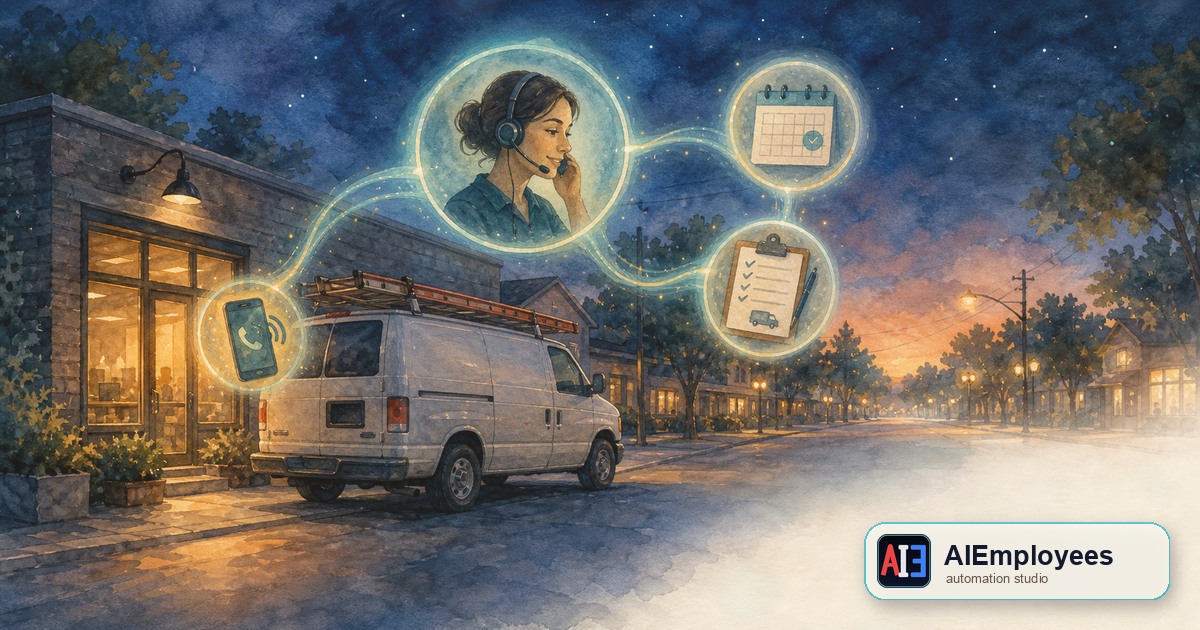
Capture urgent calls after 6pm, qualify intent, book routine work, and route true emergencies without adding another night shift.