How to Recover Missed Call Leads Without Hiring a Receptionist

A missed call from a real buyer is not just an inconvenience. It is often a warm lead you already paid for through Google Business Profile, SEO, referrals, ads, trucks, yard signs, or repeat reputation.
The old answer was simple: hire a receptionist, extend office hours, or accept that some calls will fall through the cracks. But many small businesses do not need a full-time receptionist just to solve the first-response problem. They need a system that notices the missed call, replies immediately, qualifies the person, and gets the next step moving before the lead goes cold.
That is where AI missed-call recovery helps. It does not replace every human conversation. It recovers the moments when nobody is available to answer.
Why missed calls turn into lost leads
Most local-service buyers are not patiently waiting for one business to call them back. If they need pest control, HVAC, roofing, med spa appointments, auto repair, cleaning, legal help, or a home-service estimate, they often call more than one company.
A missed call becomes expensive because:
- The caller already showed buying intent
- Many people do not leave voicemail anymore
- A delayed callback feels like poor service
- After-hours callers may still be ready to book
- Paid ad calls can become wasted spend if nobody responds
- Busy staff often forget to follow up when the day gets hectic
Voicemail creates friction. The customer has to wait, explain the need again, and hope someone calls back. A missed-call recovery workflow removes that friction by keeping the conversation alive within seconds.
Why hiring a receptionist is not always the best first move
A great receptionist can be valuable. But hiring one just to cover missed calls can be expensive and operationally heavy.
Before hiring, ask what problem you are actually solving:
- Do you need live human judgment on every call?
- Or do you mainly need instant acknowledgement and basic intake?
- Are most missed calls simple booking, pricing, location, or availability questions?
- Do you miss calls mostly after hours or during short busy windows?
- Is the team already able to handle booked appointments once leads are qualified?
If the bottleneck is first response, AI can often solve it faster than a new hire. If the bottleneck is complex human decision-making, you may still need staff — but AI can reduce the number of calls that require immediate human attention.
The missed-call recovery workflow
A good missed-call recovery system should do more than send “Sorry we missed you.” That first text matters, but the real value comes from the workflow behind it.
1. Detect the missed call
The system watches the business phone number, call tracking number, or phone provider. When a call is missed, unanswered, abandoned, or sent to voicemail, it triggers the recovery flow.
The trigger should be configurable. For example, you may not want to text existing vendors, spam numbers, internal staff, or repeat callers who already have an open ticket.
2. Text the caller immediately
The first reply should be short, human, and useful:
Sorry we missed your call. What can we help you with today?
For appointment-heavy businesses, the message can be more direct:
Sorry we missed you. Would you like the next available appointment, or do you have a quick question?
The goal is not to impress the caller with AI. The goal is to restart the conversation while they are still interested.
3. Qualify the lead one question at a time
Bad automation overwhelms people. Good AI asks for the next useful detail.
Depending on the business, the system can collect:
- Name
- Service needed
- City or service address
- Urgency
- Preferred appointment time
- Photos or documents
- New vs. existing customer status
- Budget range or project type
- Best callback number
For example, a pest-control company might ask whether the issue is active today, what pest the customer is seeing, and what city they are in. A med spa might ask which service the person is considering and whether they want a consultation.
4. Answer common questions
Many missed calls happen because customers want simple information:
- Are you open today?
- Do you serve my area?
- How much does it usually cost?
- Can I book this week?
- Do you handle emergencies?
- Do you offer financing?
- What happens during the first appointment?
AI can answer these from a controlled knowledge base instead of forcing staff to repeat the same answers all day.
5. Book or route the next step
The best recovery flow ends with movement, not just a conversation summary.
Depending on the business, AI can:
- Offer appointment windows
- Book an estimate
- Create a CRM lead
- Send the customer to the right intake form
- Route urgent cases to a human
- Notify sales or dispatch with a conversation summary
- Trigger a follow-up reminder if the caller stops replying
This is the difference between a basic auto-reply and a revenue recovery system.
Example: a missed call without a receptionist
Imagine a homeowner calls an HVAC company at 7:18 PM. The office is closed. The call is missed.
Without AI, the caller may leave no voicemail and call the next company.
With AI, the system texts within seconds:
Sorry we missed your call. Is this an urgent HVAC issue, or would you like help scheduling service?
The customer replies: “AC is not cooling. Need someone tomorrow if possible.”
AI responds: “Got it. What city are you in, and is the unit running but blowing warm air, or not turning on at all?”
The workflow collects the details, checks availability, creates a lead, and notifies the team before morning. The customer feels heard. The business does not lose the lead just because the office was closed. If scheduling is the next bottleneck, connect the recovery flow to AI appointment scheduling so qualified callers can book while intent is still high.
When AI should hand off to a human
AI should not pretend every lead can be fully handled by automation. A strong missed-call recovery workflow includes clear handoff rules.
Human handoff is important when:
- The caller is angry or confused
- The job is high-value or complex
- Pricing requires judgment
- The issue is urgent or safety-related
- The customer is an existing account with history
- The request falls outside standard service rules
- The caller specifically asks for a person
The AI can still help by collecting context before the handoff. Instead of telling staff “someone called,” it can send: “New lead: Sarah in Plano, AC not cooling, wants tomorrow appointment, unit blowing warm air, prefers morning, phone number attached.”
For more examples of fast recovery messaging, see our guide to missed call follow-up texts and our overview of AI missed-call text back.
Where video follow-up can improve recovery
After the first text conversation, some businesses can improve trust with lightweight video follow-up.
This does not need to be complicated. A short explainer clip, customer testimonial, or “what to expect before your appointment” video can make the business feel more credible before the customer commits.
For example:
- A med spa can send a short consultation explainer
- A roofing company can send a “how our inspection works” clip
- A pest-control company can send a quick prep guide
- A home-service company can send a technician intro or process video
That is where Vidvibe-style short-form production fits naturally: not as a replacement for fast SMS recovery, but as an extra trust layer after the lead has responded.
For the AIEmployees product page behind that short-form production layer, review the VidVibe product page.
How to measure missed-call recovery ROI
You do not need a complicated model to see whether this works. Track a few simple numbers:
- Total inbound calls
- Missed calls
- Missed calls texted
- Caller response rate
- Qualified leads recovered
- Appointments booked
- Revenue from recovered appointments
- Average time to first response
A simple monthly model might look like this:
- 300 inbound calls
- 15% missed calls = 45 missed calls
- 50% respond to AI text = 22 conversations
- 40% become qualified opportunities = 9 leads
- 5 book appointments
- Average job value = $350
- Recovered revenue = $1,750/month
If those calls came from paid traffic, the value is even clearer. You already paid to make the phone ring. Recovery helps you stop wasting that demand.
Setup checklist
Before launching missed-call recovery, define the rules carefully:
- Which phone numbers trigger the workflow?
- What first message should each caller type receive?
- What services, locations, and hours should AI know?
- What questions should AI ask before booking?
- When should a human be notified immediately?
- Where should recovered leads be logged?
- How should after-hours conversations be handled?
- What compliance or consent language is needed for SMS?
- Who reviews conversations weekly and improves the workflow?
The workflow should feel useful, not generic. Customers can tell when a business sends a lazy autoresponder. They also notice when a business responds quickly and makes the next step easy.
The bottom line
You do not need to hire a receptionist just to stop losing every missed call. You need a reliable recovery workflow: instant text-back, smart qualification, useful answers, booking or routing, CRM logging, and human handoff when needed.
For many local businesses, this is one of the fastest ways to improve lead conversion without buying more traffic or adding more staff.
Missed calls will still happen. Lost leads do not have to.
Frequently asked questions
Can AI recover missed call leads without a receptionist?
Yes. AI can detect missed calls, text the caller back, qualify the lead, answer common questions, book the next step, and route complex cases to a human.
Is this the same as a basic auto-reply text?
No. A basic auto-reply sends one message and stops. AI missed-call recovery continues the conversation, collects useful details, and can connect the lead to scheduling, CRM, or human handoff.
When should a business still use a human receptionist?
Use a human when calls require judgment, sensitive handling, complex pricing, urgent escalation, or relationship management. AI is best for immediate response, intake, qualification, and routine follow-up.
How fast should missed-call follow-up happen?
Ideally within seconds. The longer a business waits, the more likely the caller is to contact a competitor or forget the reason they called.
What businesses benefit most from missed-call recovery?
Home services, healthcare and wellness, med spas, salons, legal offices, professional services, local contractors, and any business that gets high-intent phone leads can benefit.
Recover More Missed Calls Without Adding Headcount
AIEmployees can help your business text missed callers instantly, qualify leads, book next steps, and route the right conversations to your team.
Fill Out the Form →Related notes.
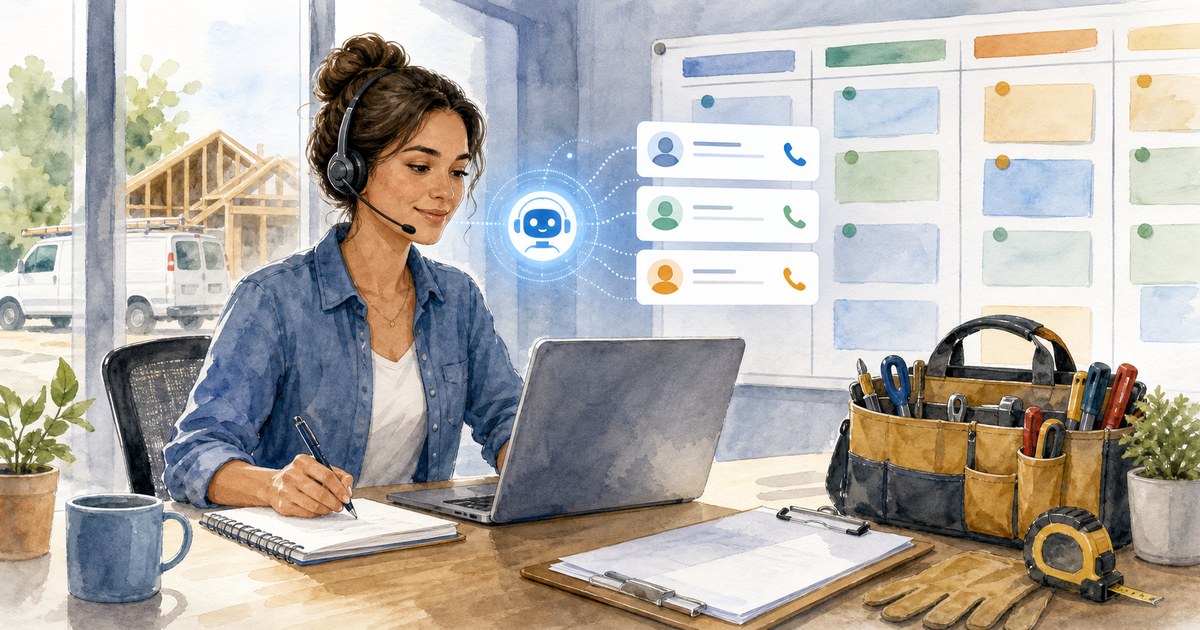
Missed Call Automation for Contractors
How contractors use missed-call automation to text back instantly, qualify job leads, route urgency, book calls, and update CRM notes.

Missed Call Text Back Service: Reply in 60 Seconds
See how AI missed-call text back replies instantly, qualifies callers, books appointments, and logs every lead before they call a competitor.
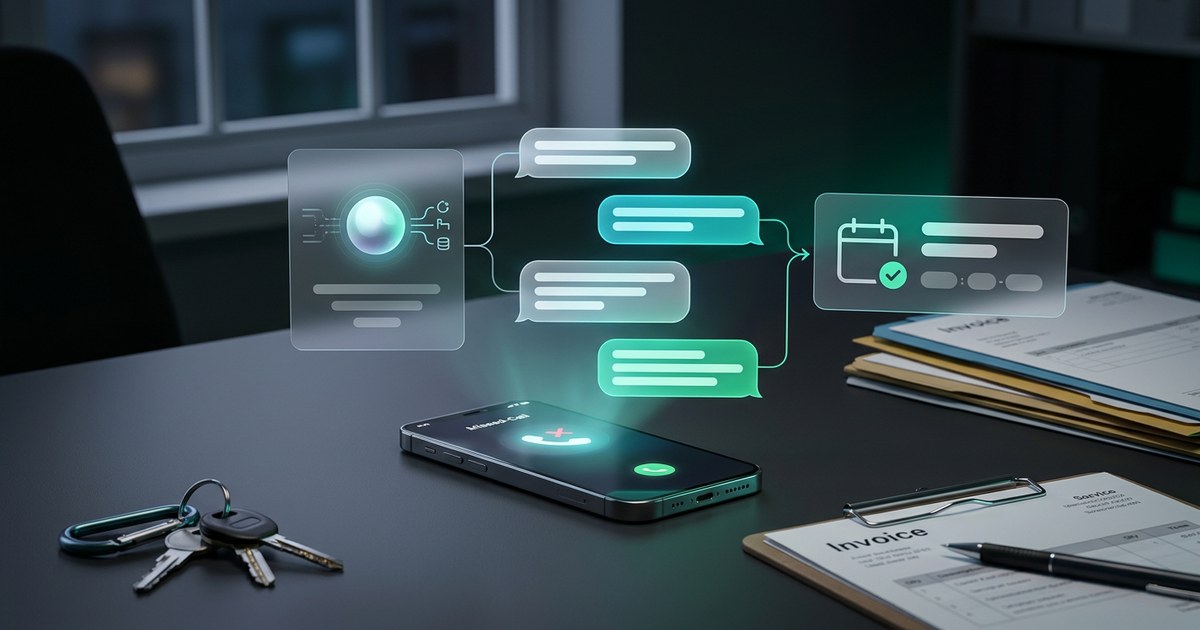
Automatic Missed Call Follow-Up Texts: 7 Scripts
Copy 7 missed-call follow-up text scripts for service businesses, clinics, and salons. Reply in seconds, qualify leads, and turn missed calls into appointments.