HVAC Answering Service: AI for Calls & Dispatch
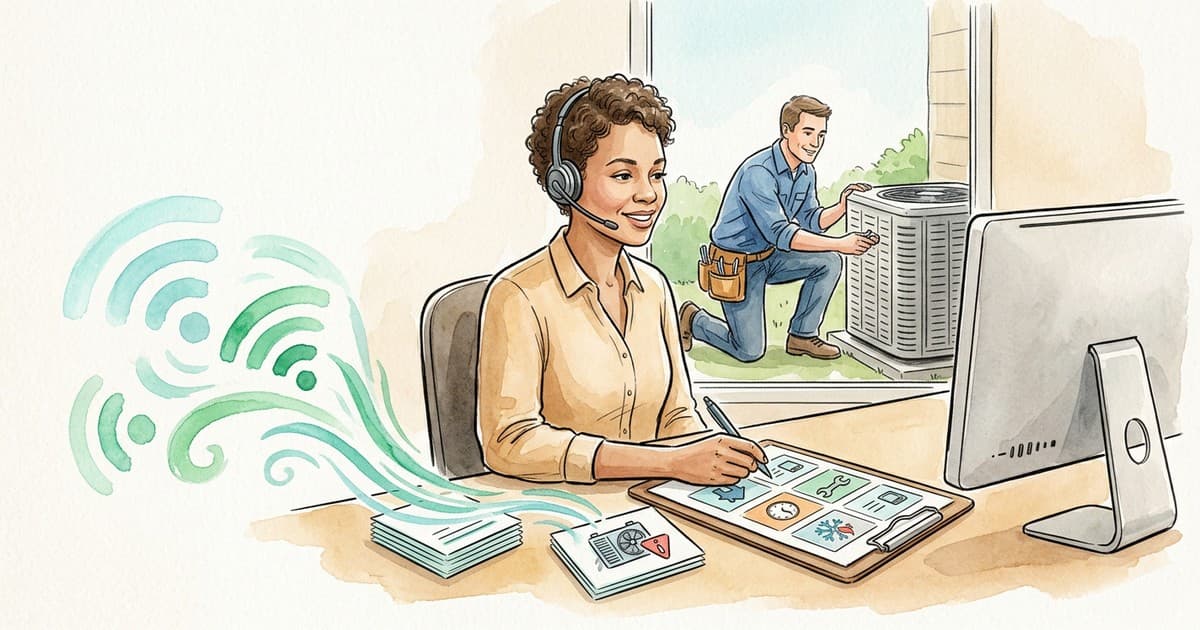
An HVAC answering service with AI captures no-cooling, no-heat, tune-up, repair, replacement, maintenance, and after-hours calls when dispatch or technicians cannot answer. The workflow should qualify urgency, collect system details, recover missed calls, and hand staff a dispatch-ready summary.
HVAC demand spikes when customers are uncomfortable. During heat waves and cold snaps, unanswered calls are not neutral. They are open opportunities for competitors.
HVAC answering has seasonal pressure
HVAC companies can receive quiet routine calls one week and emergency surges the next. Peak weather, equipment failures, maintenance reminders, and replacement interest all hit the phone.
AI answering helps the team separate urgent no-cooling or no-heat calls from tune-ups, second opinions, install quotes, warranty questions, financing questions, and vendor calls.
Collect details that dispatch can use
Useful HVAC intake should collect customer status, address or service area, system type, issue, how long it has been happening, thermostat behavior, age of equipment when known, urgency, and preferred service window.
The AI does not need to diagnose the system. It needs to gather enough context so dispatch and technicians do not start from zero.
Escalate the right situations
No heat in dangerous weather, no cooling for vulnerable customers, burning smells, carbon monoxide concerns, electrical issues, angry customers, and high-value replacement opportunities should route to a human quickly.
Routine maintenance, filter questions, nonurgent tune-ups, and future install requests can become callback, booking, or quote tasks.
Recover missed calls across every channel
HVAC buyers may come from Google Business Profile, paid search, referrals, yard signs, email campaigns, or service reminders. Many will call more than one company.
Instant missed-call text-back gives the prospect a response while the office is busy. It can ask the system issue, collect location and urgency, and create a cleaner callback path.
Where AIEmployees fits
AIEmployees builds HVAC answering as lead response automation: calls answered, missed calls texted, intake questions approved, CRM notes created, and humans alerted when urgency or value is high.
It is especially useful for small HVAC teams that cannot add another dispatcher but still need reliable coverage during peak demand.
Implementation checklist
- Map HVAC call types: no heat, no cooling, repair, tune-up, install, maintenance, warranty, financing, and vendor.
- Collect system type, location, urgency, customer status, symptoms, timeline, and preferred service window.
- Escalate safety issues, extreme-weather urgency, upset customers, and replacement opportunities.
- Use instant missed-call text-back for calls the office or techs miss.
- Send summaries to dispatch, CRM, calendar, field-service software, or callback queue.
- Measure first-response time, recovered calls, booked service calls, replacements flagged, and handoff quality.
FAQ
Can AI answer HVAC calls after hours?
Yes. AI can answer no-cooling, no-heat, maintenance, install, and after-hours calls, collect system details, identify urgency, and route emergencies to a human.
What HVAC calls should AI escalate?
Escalate no heat in dangerous weather, no cooling for vulnerable customers, electrical smells, carbon monoxide concerns, angry customers, warranty disputes, and high-value replacement opportunities.
How does AI help HVAC companies recover missed calls?
AI sends instant missed-call text-back, asks what system issue the homeowner has, collects location and urgency, logs the lead, and creates a callback or dispatch-ready summary.
Want this workflow built for your business?
AIEmployees can map the calls, intake, routing, follow-up, and reporting around your real tools and team.
Fill Out the Form →Related notes.
AI Dispatcher for HVAC and Plumbing Companies
Separate emergencies, collect job details, route technicians, recover missed calls, and protect service leads.
HVAC Missed Call Automation: AI Workflow Case Study
Capture emergency calls, triage urgency, book service, log CRM details, and hand clean context to dispatch.
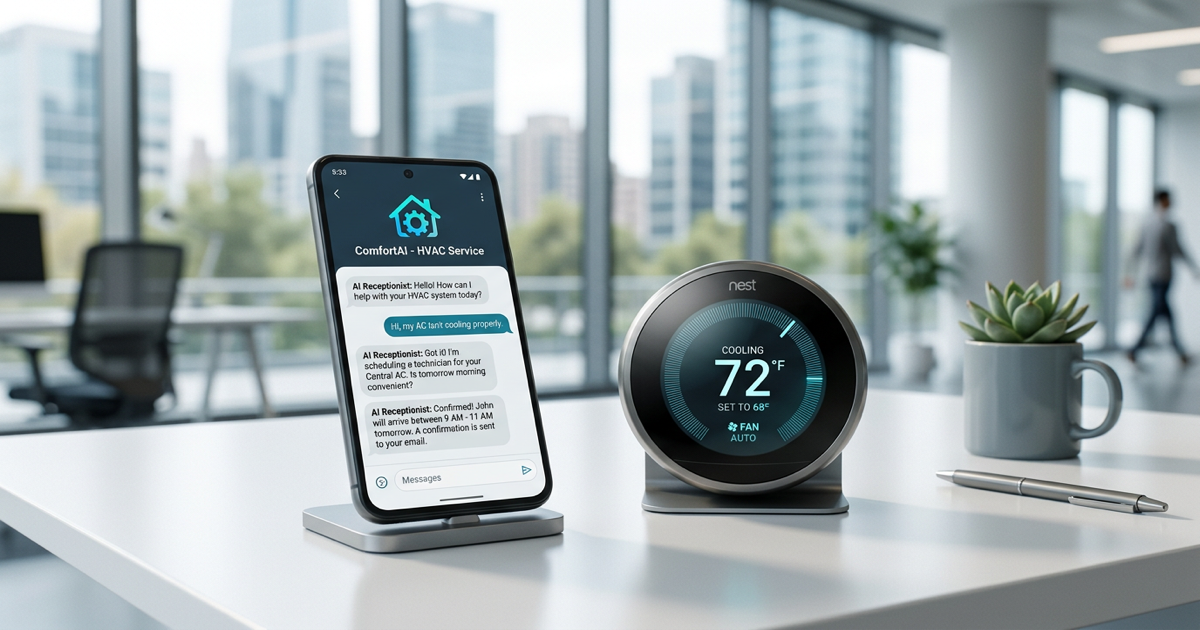
AI Receptionist for HVAC Companies: Never Miss an Emergency Call
HVAC companies lose thousands from missed after-hours calls. AI captures every call 24/7.